

Leaving Home

At some point it became clear to me that I couldn’t manage my giant city house. My hands hurt all the time, my vestibular disease meant sometimes the stairs or frequent running up and down with hands-full could be dangerous. I couldn’t climb ladders anymore, and so each lightbulb, each smoke detector beep became another reminder of my annoying failings.
My years of renting rooms to traveling students and medical professionals were too much - changing sheets hurts arthritic hands, as does all that washing and folding, so I hired cleaning people who drained the budget, and a laundry service that did the same.
Shoveling, something I’ve always loved, became something I feared. There’s nothing quite like the combination of blood thinners for one condition, vestibular tippiness due to another, and intense hand pain to take the fun out of snow and ice.
Provincetown was my dream house, and I got it, but I was never going to be able to live there full-time. Fancy diseases need fancy doctors, my father does better when I’m around more, and I have friends and resources in the city that I value. That I need.


The obvious thing to do was get rid of my beloved, big old family house, and downsize to another small place in the city to be the sister dwelling to my seaside retreat.
Then Trump hit, and my son and daughter-in-law lost their jobs. 400+ applications later, they’ve still not found anything in the science they’re expert in. They’re doing everything right, applying daily for everything even adjacent to their fields, doing anything they can to better their chances. In spite of it all, their mortgage became untenable and they had to put the house they loved on the market.
My big house could become their income house, I realized. They could rent rooms as I had done, and do the laundry and cleaning and shoveling and battery-changing. But though there would now be people to take care of the things I could not, the house is not built for two skippers. They wanted to steer if they lived here; wanted the Captain’s quarters and the bridge, and their 30-something living requirements are not my late 60-something ones. A bitter irony: now that there were people to help, I’d have to go somewhere else.
To do that I put myself in the kind of debt that scares the shit out of a person and prevents sleeping and breathing. Gone are the carefree days for the foreseeable future. Day-to-day expenses feel overwhelming. I put the Wellfleet family house on the market, but they shut down the government, Trump is deliberately destabilizing the economy, and neither my kids’ house nor the Wellfleet house has sold. These are rich people problems, except I’m no longer rich, and never really was by rich standards. I’m just old, and weirdly collected houses that were super cheap when I was young and with energy. And had a lot less fear. Houses are great, but you’ve still got to pay for everything they require, along with the other things in life like health insurance, dentist visits, utilities. Challenging when you don’t have a job and your rental income is now absent.
Through the enormous generosity and kindness of a friend I got a condo that’s out of my price range but perfect in every other way, with a potentially endless payment plan that goes something like, “When Wellfleet sells we’ll figure it out.” But he means so much more to me than any real estate that I worry about losing a most important friendship if I can’t make good.
Is this why I’ve been panicking? Unable to sleep but going to bed at 7:30 every night to burrow under the covers and watch YouTube mayhem? Yes, but also there’s something more. I’m always pragmatic. I see the long-term wisdom in all of this.
But my heart is shattering into a million pieces leaving the house I built my life around, and which has served as my safe haven for thirty-five years.
I will write more about a self-stabilized life, but the main answer to mine has been a home. I was twenty-one when I somehow managed to buy my first house, through the whacky kindness of a woman I never met. She heard about me, “liked my spunk,” and agreed to finance the house for me, at 18% interest. I didn’t have college, I didn’t have a functional relationship with any parent or relative, I’d been essentially on my own since the age of fifteen, I was fighting my way through the restaurant life as a chef - - but I had a house. And it was comprised of three apartments, so it provided income.
That house bought this one, and then some, setting me up with a fat profit that changed my life. I went from hiding under that table that held the answering machine, crying at debt collectors’ threats (they could turn off the power then, and did, the bastards), to better than scraping by. I had lots of rooms to rent, and an apartment to rent as well. I had bought it outright due to that fat profit from the first house, so no mortgage. Even more safety.
All of life happened here: I raised my kids, got divorced, lost and made friends, lost and made careers. All of the game nights and family holidays took place at my table. I redid the kitchen to suit my cooking needs—redid everything, in fact. The only thing left untouched after all these years is the shower in my bathroom. In these rooms I wrote songs and a book, lost faith and found solace, and I thought I’d always be here. But I won’t.
“You’re not really leaving” is not true. The house will remain, but my cradle will not. The safety will not. And each drawer that I empty feels like a knife sliding slickly between my ribs and into my core.
The definition of “a home” for me has always been the ability to have people in it. Anyone and everyone could gather and stay, if need be. That, too, will be gone, that sense of possibility. I can now have a visitor, but not a days-long brainstorming gathering of many. I suppose those days are gone anyway.
Now, when my other son comes to town for a visit he’ll stay with his brother, at my house without me in it. Having both my boys at home has been what’s sustained me for so long—the thing of all things to look forward to when it seemed like there was no sunrise in the future, or when I had something exciting to show or share. There will be no more watching them come down the stairs, inwardly giggling at their various stages of morning hair. I will be left out of the primary purpose of a family home: the small, unplanned touch of closeness that fills the place that is otherwise alone and lonely.
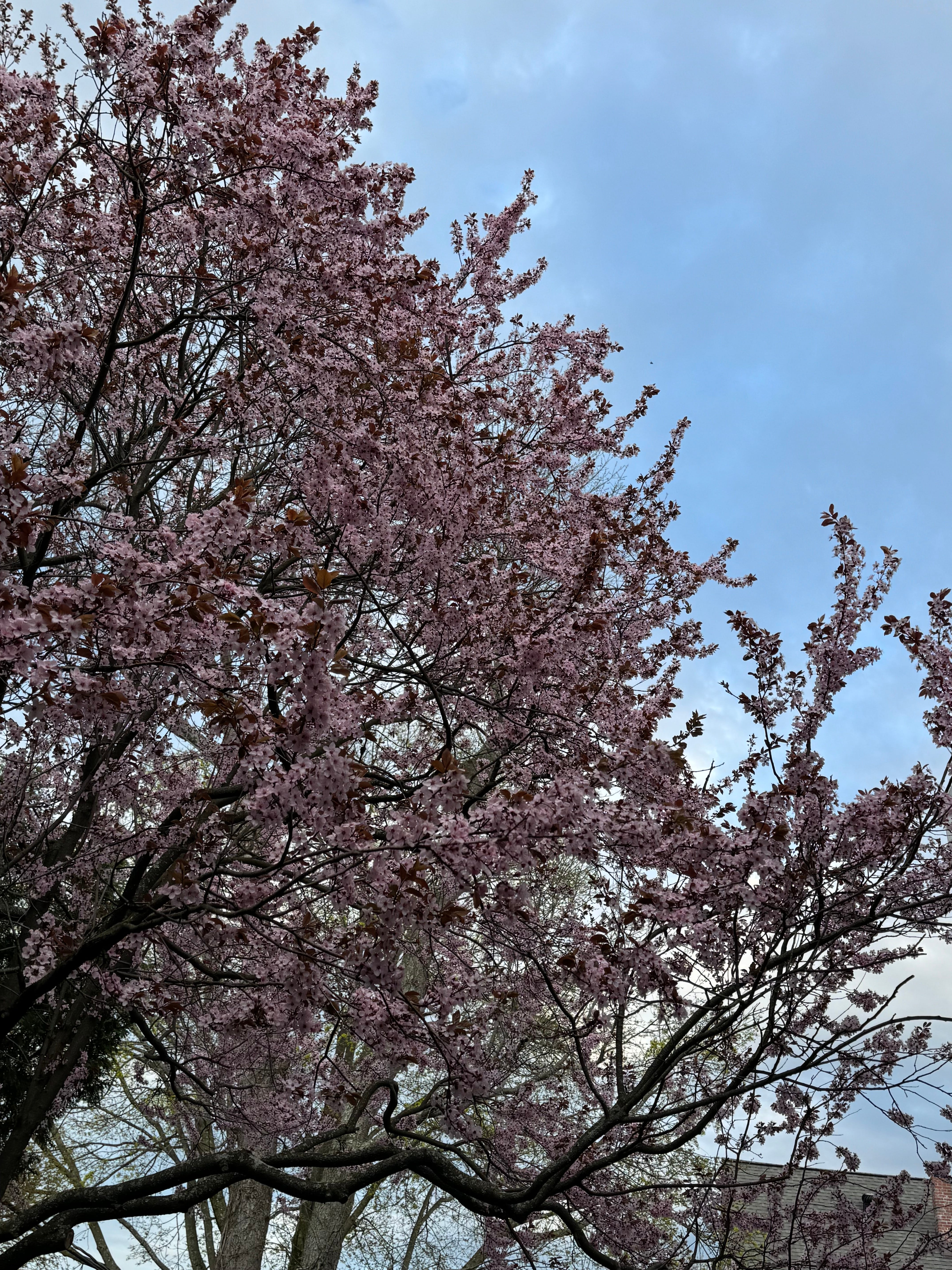
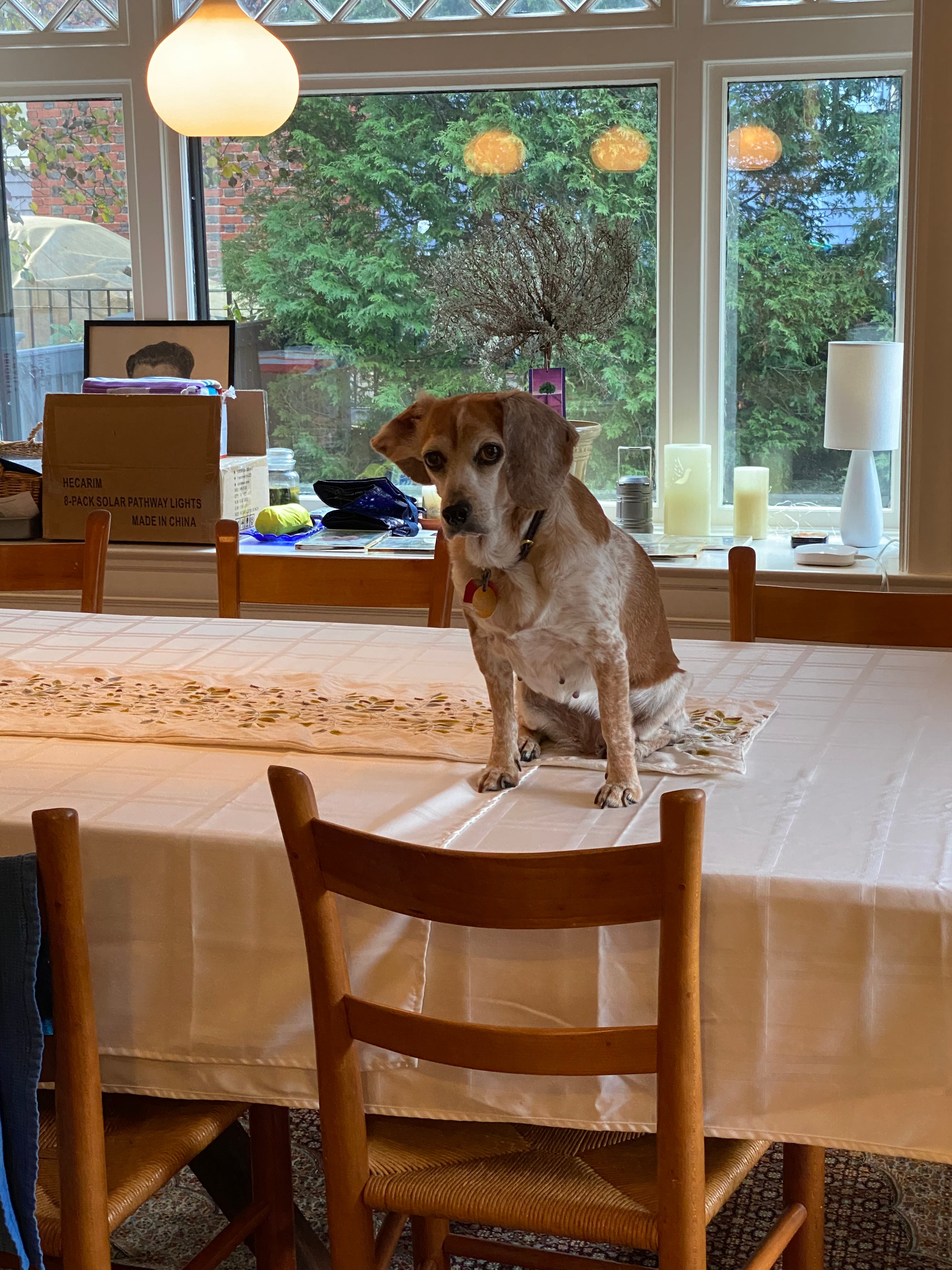
I look around and remember each flower planted, each color changed of wall and tablecloth. The Thundercloud Plum tree in the back yard has grown huge, and its pale pink petals, so briefly on display, will show up next spring, but I won’t be checking every morning to see if it’s time, yet. The ugly, Frye Boot-looking church a few blocks away has a steeple that I’ve stared at out my kitchen door for hours at a time as I contemplated life’s losses and hard decisions, teacup in hand. I see all the dogs now gone, but on the rugs and sleeping in my office. I hear the voices of the pizza parties and the laughter and music of the band rehearsals. I see crowds of smiling faces around my table, so many of them now lost forever but still saved here. I feel the rumble of the trucks as they go by, and smile at my nutty neighbor’s Jack Russell terrier yapping incessantly in frantic excitement, the background soundtrack that tells me I’m home.
The visions and sounds will fade, replaced by someone else’s memories being built, images crowded out by new life that has found a home. I can pack my clothes and my books, transport my keepsakes as talismans to my new, lovely apartment, bringing with them some of what filled this house. I’ll decorate. I’ll hear a new soundtrack familiar only to me. I know how to do all of that. I just don’t know how to leave.
you've captured so well the poignancy of every single thing; made that much worse as one ages. But, out of it all, there is nothing harder than looking at a couch which always had indentations from the beloved dogs who rested there. That I can not stand.
Oh Marjie. I don't know what to say, but your writing is powerful.